One of the main pillars for achieving good results in business is to adopt the strategy of Gamification in companies. This is because, by implementing this idea into the organization's culture, processes become much more dynamic and can result in greater productivity.
In a market that is constantly evolving, companies need to find ways to engage and motivate their employees. Therefore, a good alternative for this purpose is to adopt elements and dynamics of games in the day-to-day running of the company.
The use of techniques and experiences with gaming principles is very diverse and involves different ways of integrating employees and leaders. Find out more about this strategy and understand how you can engage your employees with gamification in companies. Read on!
What is gamification in business?
The programmer and game designer, Nick Pellingcoined the term gamification for the first time in 2002. Since then, there have been several advances, with the addition of tools and other techniques that have made the strategy even more efficient.
In the context of companies, the practice has become a great aid for training, selection processes, qualifications and so on. This is because, through playful and fun moments, it is possible to stimulate employee engagement, achieving the company's objectives and consequently better results.
Gamification in companies aims to engage employees and make the dynamics of processes much more assertive, productive and exciting. Thus, the path to efficient gamification lies in evaluating and training employees based on the adoption of attributes such as scores, rules, challenges and rewards.
Although different from what many people think, gamification can and should also be used in formal environments, always, of course, in accordance with the company's needs and objectives. This is because it is a resource that makes the work routine much more acceptable among professionals, with the possibility of winning prizes with a points program, for example.
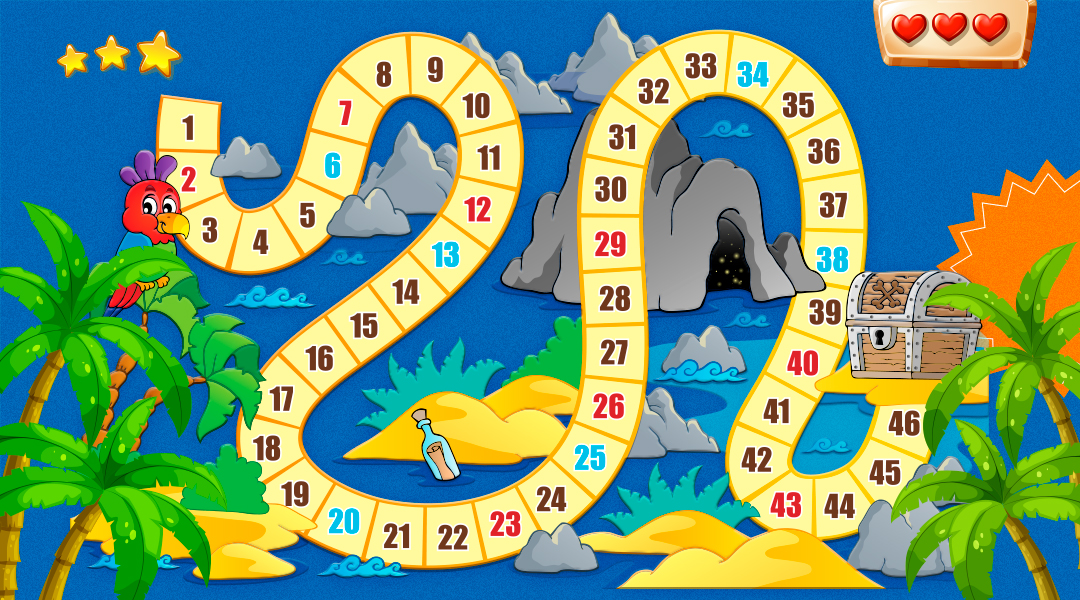
But, as with any game, the project must be very well planned and focused on your target audience, without forgetting to offer increasingly challenging stages with interesting prizes that attract your competitors. You see, gamification in companies is very similar to real games.
Fundamental pillars of gamification
Corporate gamification must be aligned with the organization's objectives and goals, so that it can then be related to playful activities that will result in feelings such as achievement, recognition and healthy competition.
In this context, understanding how the mechanics of the game work is fundamental to elaborating each of the stages and the final objective, so that the result can be engaged employees, a united team, a healthy working environment and a constant improvement in performance and deliveries.
There are various possibilities and alternatives for gamification to be successfully implemented and for its actions to bring positive results. Learn about the main stages and pillars of gamification in companies:
Rules
When planning a project and then putting it into practice, the rules and objectives need to be clear to all participants. That way you can stay focused on the activities and carry them out in the best possible way.
In any game, the rules are always the guidelines for what can and can't be done, what it takes to progress through the stages and achieve the rewards.
In the corporate environment, the rules will help participants to develop their skills and competencies with much more objectivity and urgency, seizing opportunities and solving problems.
Challenges
The challenges of each stage are important to help motivate and engage the competitors, as well as serving to improve each participant's performance. By understanding and knowing the rules of the game, participants begin to advance in the challenges and overcome their limits.
Interesting games need to provoke their participants and stimulate their skills, being useful for gaining experience and working on their knowledge. Gamification can offer fun moments that stimulate and provoke the participant. That's why you need to implement good challenges.
In a sales sector, for example, certain challenges can be adopted by following a system of training and qualification of best practices for the commercial sector. In this way, participants score points as they progress through the training journey and improve their performance.
What's more, the challenge can be linked to the achievement of pre-established goals, such as increasing sales of a certain product, and the provision of a ranking of the best placed, provoking healthy competition!
Learning
Gamification programs in companies are often similar in their implementation and in their objectives and goals. This allows for a range of in-depth learning experiences for participants, whether in the application of feedback during processes or even in understanding the rules and their strategies.
Employees have the opportunity to improve their performance and acquire more in-depth knowledge of everything that is passed on during the gamification process, whether in the form of training or opportunities to experience new experiences, identifying points for improvement.
Collaboration
Depending on whether the gamification system is individual or collective, it is possible to work on the collaboration and integration of participants, allowing for a more positive and effective dynamic throughout the process.
A good way to improve employee participation and buy-in in gamification is to make the stages collaborative, allowing progress to be made collectively.
Rewarding teams and the highest-ranking competitors can be one of the best strategies for building trust between members and helping to build relationships.
Reward
By establishing a relationship of exchange, with advantages and benefits for employees, the task of arousing their interest and obtaining the desired results becomes easier. With this in mind, it is essential to recognize progress and establish attractive rewards for competitors.
The rewards and prizes can vary greatly according to the company's segment and size, but it is clear that they need to stimulate team persistence and be interesting for the professionals. When well structured, they are capable of transforming company dynamics and making participants even more committed to their organizational goals.
What is the importance and main benefits of gamification?
Basically, the practice of gamification in companies aims to engage its participants, i.e. employees, and make the organizational climate even more pleasant and promising, achieving the desired goals and results.
That's why it's essential to recognize the importance of this methodology and incorporate it into the company's organizational culture. This system of games enables various other efficient means of integrating professionals into the team and promoting greater productivity, creativity and improvements in communication.
It's a simple and efficient system that allows professionals to be valued, helping them to identify with the company's values and purposes. Other important benefits of adopting gamification in companies are:
- Enables process optimization;
- It creates a climate of healthy competitiveness;
- Promotes the development of skills and competencies;
- Stimulates creativity;
- Increases productivity;
- Help with the integration of new employees;
- Improves employee satisfaction;
- Encourages greater interaction between employees;
- It transforms the quality of communication;
- It strengthens the organizational culture.
As you can see, there are several advantages to gamification becoming a common procedure within organizations. With it, it is possible to benefit from interesting strategies, resulting in the delivery of excellent products and services to customers.
Why can HR benefit from this strategy?
For people management to work and be effective in engaging, motivating and qualifying its professionals, it is important for there to be a relationship of trust between both parties. HR needs to understand and get to know employees in order to offer the best solutions to their daily problems and employees need to exchange experiences, evolving continuously to deliver the best results.
A strategic HR department that adopts gamification as a tool to train, empower and motivate its professionals begins the implementation process by checking out the main benefits of this initiative. And that's exactly what we'll see next:
- It creates an environment of healthy competition;
- Improves employee engagement;
- Reduces employee turnover by retaining talent;
- Increases the productivity and creativity of professionals;
- Promotes corporate education;
- Helps interaction between teams;
- Optimizes work processes;
- It provides more recognition and appreciation of talent;
- Improves internal communication;
- It stimulates new skills and competencies;
- Among others.
Knowing that gamification can generate all these benefits, it is essential to know the best way to implement it in your organization. That's why below you'll find out what measures to take so that the strategy can be aligned with the company's objectives and goals, putting into practice the techniques that will help develop a more dynamic, healthy and efficient corporate environment. Follow along!
How can gamification be implemented in an organization?
When HR sets out to do something for positive results, it requires a lot of planning and study, structuring the actions within a timetable so that the chances of success are real. With this in mind, the basic and essential steps when starting a Gamification strategy is to define the rules of the game very well.
Now that you know what the gamification methodology in companies is all about, you know its fundamental pillars and you understand what advantages this action can bring to the business. It's time to learn how to put it into practice.
- Define the objectives of the game;
- Explain the rules, criteria and what the rewards will be;
- Create an attractive program with individual and collective levels and challenges;
- Use playful components to make the game even more interesting and fun;
- Track the results;
- Reward and appreciate the participants;
- Encourage interaction between teams;
- Monitor the performance of each employee;
- Analyze whether the company's objectives have been achieved.
In short, it's important to say that in the corporate world there are various techniques and actions that help improve deliveries, achieve targets, engage and motivate employees. Therefore, in the long term, it is necessary to define which strategies to use to improve results.
Have you enjoyed learning about and understanding gamification in companies? Implement this strategy in your company right now and see the results of a team that is more engaged, productive and satisfied with its achievements and learning.