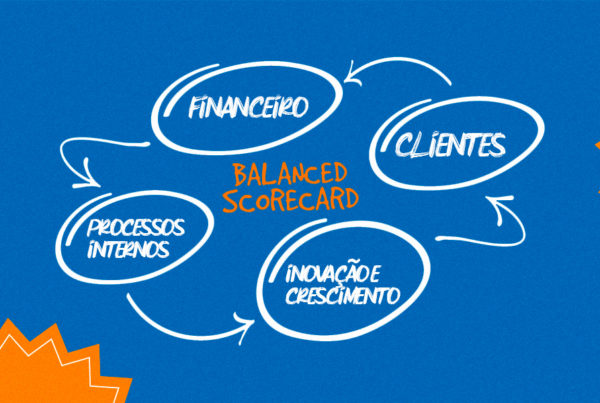

Performance appraisal is an essential tool in the business world. It's not just a formality, but a valuable opportunity to boost individual growth and team effectiveness. In this article, we'll take a deep dive into the key to an effective performance appraisal and provide practical strategies for engaging your employees and achieving meaningful results.
Why is Performance Evaluation Important?
Performance evaluation is more than just a retrospective analysis. It is a development tool that allows leaders and employees to collaborate on continuous improvements. Well-executed appraisals have the power to:
- Increase Engagement: Employees who feel listened to and valued tend to be more engaged with their tasks and goals.
- Identify Growth Opportunities: Evaluations open the door to discussions about personal and professional development.
- Improve Communication: A structured evaluation creates a space for open and honest feedback.
- Increase Productivity: Clear goals and constructive feedback motivate employees to achieve their goals.
Strategies for Effective Performance Appraisals
- Set Clear Expectations: Start with clear goals and expectations. Employees need to know what is expected of them so they can focus on what is important.
- Communicate the Purpose: Explain the purpose of the evaluation. Show that it is an opportunity for growth and development, not just a bureaucratic process.
- Continuous Feedback: Performance appraisals shouldn't come as a surprise. Providing feedback throughout the year creates an environment of constant development.
- Personalize the process: Each employee is unique. Adapt the evaluation process to meet individual needs and development goals.
- Set Tangible Goals: Set measurable and achievable goals that align employees' objectives with those of the organization.
- Focus on Development: Concentrate on growth and continuous improvement. The aim is to help employees reach their full potential.
- Listen Actively: The appraisal is an opportunity to listen. Be open to feedback and employee perspectives.
- Development Plan: After the evaluation, create a clear development plan. Establish concrete steps for growth.
The Role of Leaders
Leaders play a vital role in the success of performance appraisals. They must be examples of engagement, communication and continuous development. In addition, leaders must:
- Showing genuine interest in the growth of employees.
- Provide constructive and targeted feedback.
- Identify development opportunities.
- Offer support and resources to achieve goals.
Technological Tools to Support Performance Evaluation
Modern technological tools can be a valuable addition to performance evaluation. People Analytics platforms such as Improvefy simplify the process by centralizing feedback, goals and metrics in one place. This makes evaluation more transparent, efficient and data-driven.
Conclusion: Boost Success with Effective Performance Appraisals
Performance appraisal is more than an annual task - it's an opportunity for growth and development. By adopting effective strategies and using modern tools, companies can create an environment that values continuous improvement, employee engagement and the achievement of exceptional results.
By following best practices and investing in the effective implementation of performance appraisals, companies are prepared to unlock the true potential of their staff and build a future of lasting success.